

Section Styles spotlight-header
I am a
Synthetic Biologist
Karmella Haynes, PhD
Presented by superhuman body + if/then

MY COMPANY CREATES LIFE-SAVING MEDICINE TO GET IT INTO THE HANDS OF PATIENTS SUFFERING FROM SERIOUS ILLNESS.
As a Synthetic Biologist, I study and engineer living cells so that we can develop new therapies for diseases, like sickle cell anemia.
.
MY WORK SETTING


Indoor vs. Outdoor
While I work in a variety of settings like the lab and conferences, it’s mostly indoors.

People vs. Alone
I work with people more and more, whether collaborators or mentees.


Creative vs. Defined
My process is very defined, but I have to think creatively about solving problems.

-
I engineer genes and proteins to tackle tough health problems. I don’t just study the genes; I learn from them to design and modify new versions that can help treat diseases. My work involves digging deep into the science of genes to find out what can go wrong (or right!). For example, with lupus, which is a condition where the body’s immune system mistakenly attacks healthy parts, I work on modifying immune cells so that they don’t hurt the body. I also create special sensors that can help catch lupus early and keep track of how it’s changing. My goal is to use these innovations to make a real difference in health and help people live better lives, especially for understudied diseases that impact marginalized communities.
-
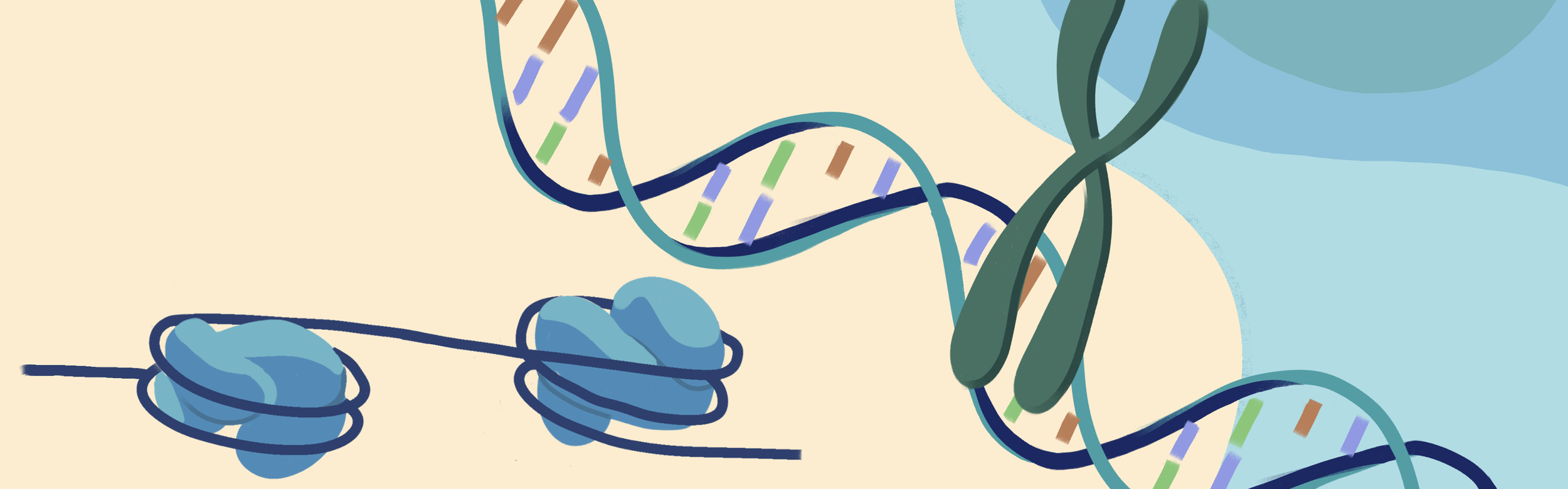
I engineer proteins that interact with chromatin, which helps organize DNA and control gene activity. I create new proteins by linking different proteins together using genetic engineering techniques and plasmids.
To introduce the DNA instructions into cells, I use tools like micropipettes to transfer liquids, petri dishes for growing cells, and incubators to keep the cells at the right temperature. I also use microscopes to observe the cells. Once the DNA is inside the cells, they produce the proteins. I then test how these proteins interact with chromatin to influence gene expression. This research helps us develop new treatments for diseases.
-
Many diseases aren’t caused by viruses or bacteria; they stem from specific genes or genetic mutations, which makes them difficult to treat because they are rooted in our DNA. Synthetic biology, which applies engineering principles to design and create new biological components, is a powerful tool for addressing these types of diseases because it can actually modify the DNA that’s causing the issues.
Historically, diseases that particularly impact marginalized communities, like lupus and sickle cell anemia, have been understudied and undertreated. By applying these cutting-edge techniques to these conditions, we can take a crucial step forward toward equitable healthcare for all.
My work needsEssential Skills:
PROBLEM-SOLVING
My job requires the ability to identify and troubleshoot issues that arise during experiments and the ability to try new approaches and techniques as needed.
COLLABORATION
Given the size of my team of graduate students, postdocs, and staff scientists, effective communication and leadership skills are critical for effective management.
CREATIVITY
I need to think outside the box when developing novel approaches and applications for my work, including identifying emerging trends and technologies
ATTENTION TO DETAIL
This is where my crafty, artistic side meets the scientific side! Attention to detail is critical when doing precise molecular biology work like DNA cloning, bacterial culture, and cell culture.
DAYS IN THE LIFE

Days in the Life
Come along and explore what three days at my job might look like!
How I Work
Check out what my place of work looks like on an average day.


This is what my workspace looks like!
Lab Safety. Working in a lab requires a lot of caution. We have to wear protective gear when working near equipment or biological materials.
Monitors. Even though I work in a lab, I still spend a lot of time on computers!
Plaque from AfroBioTech Conference. This reminds me of how important it is to make science a more inclusive and equitable space.
Books. I have a lot of reference books on DNA and genetics that I can refer to when working on planning research projects or writing papers.

Did you know...We can use our own bodies as medicine.
Historically, many treatments for diseases involved taking pills or undergoing procedures like radiation to eliminate harmful cells. While these methods can be effective, they often come with side effects and can sometimes feel like temporary fixes. However, advances in synthetic biology are opening up exciting new possibilities. By understanding how our bodies work and how to harness our biological systems, we’re moving towards treatments that are more about rebuilding and repairing rather than just removing.
Similar to some Eastern and holistic health practices that have been around for thousands of years, which emphasize harmony and balance within the body, synthetic biology aims to work with nature to enhance our health. For instance, researchers are exploring ways to modify our own cells and proteins to target diseases directly at their source. Instead of relying solely on external medications, we can develop therapies that empower our bodies to heal themselves. This innovative approach not only helps us fight diseases more effectively but also promotes overall health by leveraging the natural processes within our bodies.
Rewarding
These are the parts of my job I find particularly rewarding.

Working in an interdisciplinary field that requires juggling a lot of different science to tackle research problems.
Supporting, mentoring and training students who are new to the field.
But everyone is different! Drag the circles to place them where you rate them.
Challenging
These are the parts of my job I find particularly challenging.
Networking and building relationships to navigate the challenges of academia.
Developing proposals to secure research funding for all of my projects.
Section Styles movable
These are the people I work with:

Students
I have a variety of students working on my team, including undergrads, graduate students, and postdocs. They are not at the same levels in their academic career and require different levels of support and mentorship.

Collaborators
The list of people I collaborate with is also long. There are staff scientists and research technicians, as well as other professors and researchers. Some work with me on my research, others partner with me on communal projects.

Journal editors and reviewers
Like many other professors, I have taken a role in editing and reviewing papers for academic journals (which is where we publish our findings). If someone else is doing it for me, I can at least return the favor!
WHAT’S NEXT?
What’s next for my field of work?Failure is always going to be part of the scientific process, but AI could help us identify directions that won’t work faster and without wasting time and resources.
There’s a surge in genetic medicine.
In just ten years, the advancements in synthetic biology and genetic engineering could revolutionize healthcare. Imagine personalized medicine designed just for you, where doctors can create treatments tailored to your unique genetic makeup. With RNA technology, we could see more vaccines and therapies that teach our bodies to produce their own medicines on demand (like the COVID vaccine), which could eliminate the need for long-term pills in many cases.
Additionally, breakthroughs in gene editing may allow us to correct genetic disorders at their source. Conditions like sickle cell anemia could be treated by rewriting faulty DNA, offering patients a new chance at health.

Looking for teacher resources?
PHOTOGRAPHER: Crystal Uqdah • Illustrator: Ekaterina Kuleva© 2024 THE PLENARY, CO. ALL RIGHTS RESERVED. TERMS. PRIVACY.This is a brand new site! See an issue? Let us know.